
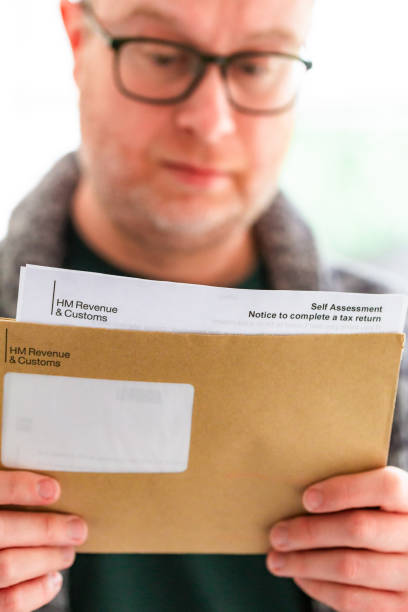
Opening an HMRC enquiry letter is stressful, but it doesn’t mean you’ve done anything wrong. HMRC doesn’t have to give a reason for opening an enquiry, and some returns are chosen at random. What matters most is how you respond in the first few weeks. Here’s what to do first.
What an HMRC enquiry letter means
HMRC uses the term “compliance check” for any check on your tax, from a quick phone call to a detailed review of several years. A formal enquiry is narrower. HMRC can only open one after you’ve sent in
your tax return, and it must tell you in writing. It can only open one enquiry into each return.
At the start of every compliance check, HMRC should send you a factsheet explaining your rights. The general one is CC/FS1a on GOV.UK.
| Type of letter | What HMRC looks at | Formal powers? |
|---|---|---|
| Informal query | One point, such as a missing figure | No |
| Aspect enquiry | One or more entries on your return | Yes, if needed |
| Full enquiry | Your whole return and the records behind it | Yes |
What to do first when an HMRC enquiry letter arrives
1. Work out what kind of letter it is
Is it a formal notice of enquiry or an informal request for information? An opening letter often asks for information informally first. HMRC only uses its formal powers if that request isn’t met.
2. Check the date against the time limit
If you filed your return on time, HMRC must open an enquiry within 12 months of receiving it. If you filed late, the limit runs to the next quarter day (31 January, 30 April, 31 July or 31 October) after the first anniversary of filing. If you amended your return, HMRC gets a similar window from the date of the amendment, usually only for the part you changed. A notice outside these limits may not be valid, so get advice.
3. See whether it covers the whole return
The letter should say whether HMRC is looking at your whole return or particular entries. An enquiry into particular entries can later be widened.
4. Note the deadline and don’t ignore it
The letter should give a date for sending information, normally at least 30 days away. If you need more time, ask HMRC before the deadline passes. Ignoring the letter can lead to a formal information notice and penalties.
5. Gather and keep your records
For a business, HMRC expects records such as your cash book, sales and purchase invoices and business bank statements. Keep everything for the year in question, and don’t throw anything away while the enquiry is open.
6. Get professional help before you reply
You can ask an adviser to deal with HMRC for you. A clear, well-organised first reply sets the tone for the whole enquiry and can shorten it.
7. If you spot a mistake, say so early
Early, full disclosure can reduce any penalty. HMRC gives bigger reductions when you disclose an error before it finds it.
Worth knowing while the enquiry is open
• Refunds wait. Any tax refund for that year is normally held until the enquiry closes.
• Meetings are optional. A meeting can help explain the facts, but you can usually answer in writing instead.
• Enquiries shouldn’t drag on. If HMRC has no good reason to keep an enquiry open, you can ask a tax tribunal to order HMRC to close it. • Deadlines still apply. Keep filing your returns on time for other years. Our self assessment deadline guide has this year’s dates.
How KPN Accounting can help
We have resolved more than 100 HMRC investigations for sole traders, landlords and small businesses. As authorised tax agents, we can deal with HMRC for you, from the first reply to the closing letter. Find out more about our HMRC tax investigation help.
Book a free, confidential call
This article is general guidance and isn’t personal tax advice. Every enquiry is different, so get advice on your own situation.